Just How a Reputable Cooling And Heating System Boosts Indoor Air High Quality and Convenience
A reliable heating and cooling system is necessary for keeping indoor air quality and comfort. It regulates temperature level and humidity, creating a healthier living setting. Effective air filtration eliminates contaminants and allergens, while correct moisture degrees protect against mold and mildew growth. Routine maintenance guarantees peak performance, enhancing system efficiency. Understanding these components exposes exactly how they interact to create a fresh ambience. Nevertheless, the partnership between heating and cooling systems and general health goes much deeper than one may anticipate.
Recognizing the Essentials of Cooling And Heating Solutions
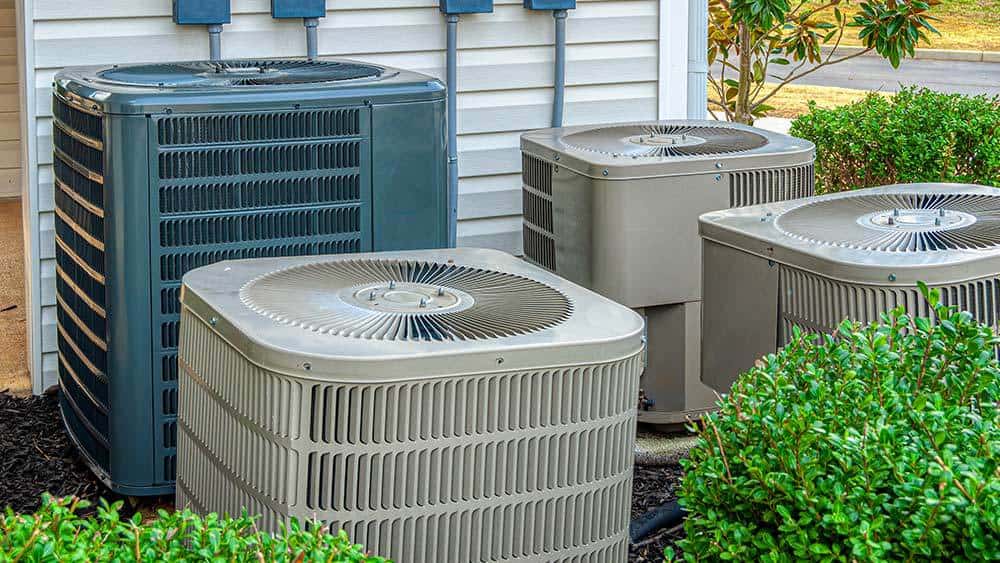
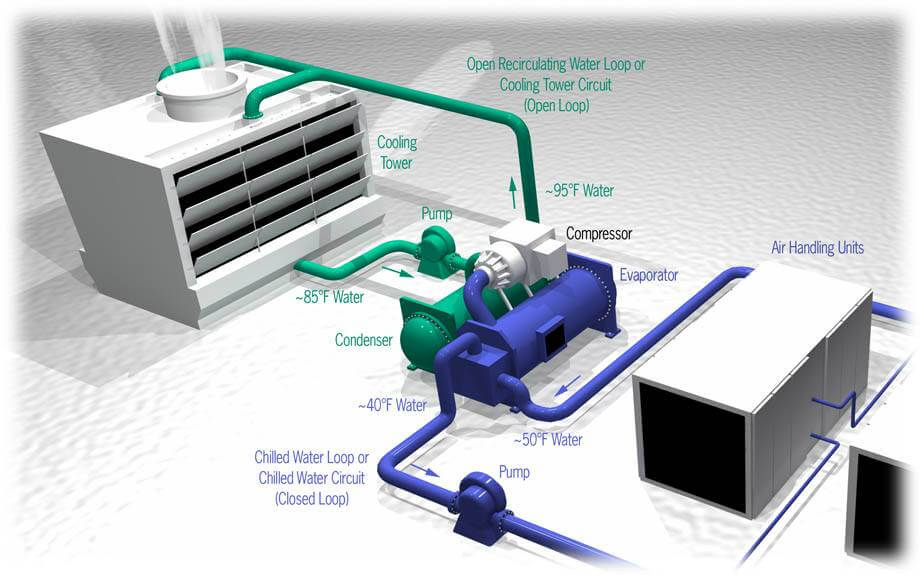
A/c systems, fundamental for modern comfort, incorporate heating, air flow, and air conditioning parts that work together to regulate interior atmospheres. These systems are designed to keep excellent temperature levels, guaranteeing that spaces stay comfy despite external weather problems. Heating aspects, such as furnaces or heatpump, provide heat throughout colder months, while cooling units cool areas when temperatures rise.
Air flow plays a vital duty, assisting in the circulation of fresh air and getting rid of stagnant air, which helps in maintaining a balanced atmosphere. Numerous kinds of HVAC systems exist, including systematized and decentralized configurations, each fit for various building dimensions and objectives. Additionally, contemporary innovations have presented smart innovations, permitting improved control over indoor environment. Comprehending these basics makes it possible for users to value how a/c systems add to total health and convenience in commercial and domestic areas alike, preparing for discussions on their influence on interior air top quality.
The Function of Air Filtration in Indoor Air Top Quality
A significant aspect of preserving indoor air quality is efficient air filtration, which plays a vital function in getting rid of toxins and irritants from the setting. Cooling and heating systems equipped with top quality filters can catch a series of impurities, consisting of dust, pollen, pet dander, and mold and mildew spores. This purification process greatly decreases the focus of airborne bits, bring about a cleaner and much healthier indoor atmosphere.
Regular upkeep of air filters is crucial to ensure peak efficiency. Blocked or unclean filters can hinder airflow, reducing the system's efficiency and possibly permitting contaminants to distribute within the area. By replacing or cleaning up filters as advised, property owners can enhance their cooling and heating system's capability to offer fresh air.
Humidity Control and Its Effect On Convenience
While numerous may concentrate on temperature policy, moisture control is just as crucial for preserving comfort in indoor environments. High humidity levels can lead to pain, making spaces feel warmer than they actually are, while reduced humidity can create dryness, irritability, and increased susceptibility to respiratory system issues. A trustworthy a/c system plays a considerable function in handling indoor humidity, ensuring that air is neither too damp nor also completely dry.
Ideal humidity levels usually range from 30% to 50%, promoting a comfortable atmosphere. When moisture is well-regulated, occupants experience enhanced thermal comfort, boosted interior air quality, and reduced threats of mold and mildew growth and dirt mite spreading. Furthermore, proper humidity control can shield furniture and architectural components from damage triggered by extreme dampness or dry skin. Subsequently, incorporating efficient humidity management into heating and cooling systems is necessary for cultivating a enjoyable and healthy and balanced interior atmosphere for wellness and performance.
The Value of Regular Maintenance
Regular maintenance of a/c systems is crucial for making sure peak performance and durability. This aggressive approach not just decreases prospective break downs yet additionally enhances power performance, which can result in substantial cost financial savings in time. Scheduled evaluations permit technicians to identify and address issues before they escalate right into expensive repairs, guaranteeing the system runs efficiently.
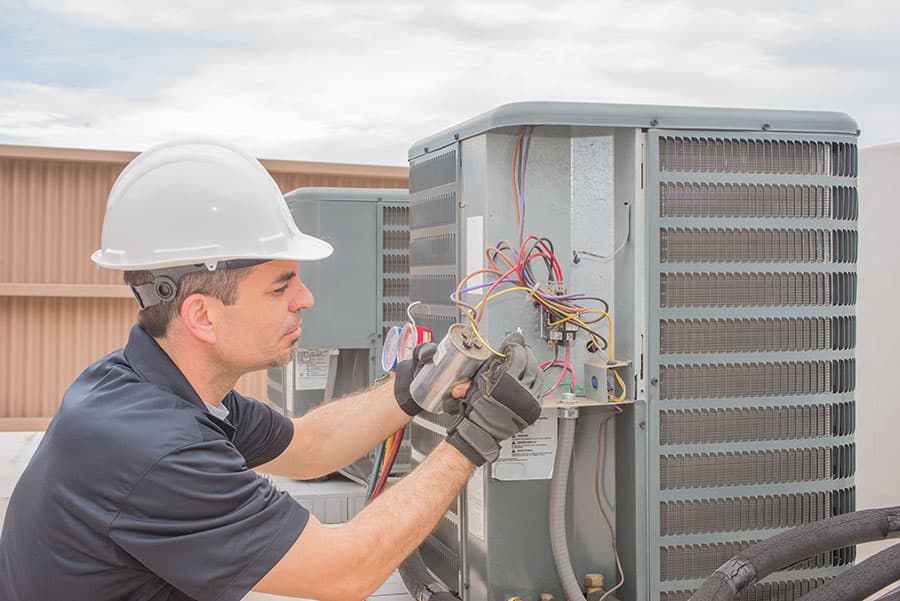
In addition, routine maintenance involves cleaning or changing filters, inspecting refrigerant degrees, and evaluating ducts, every one of which add to suitable air movement and system efficiency. By keeping the cooling and heating system, property owners can also avoid excessive deterioration on parts, expanding the overall life-span of the unit.
Moreover, a properly maintained heating and cooling system runs silently and securely, lowering the risk of dangerous scenarios. To conclude, normal maintenance is an important investment in both the efficiency of HVAC systems and the comfort of indoor atmospheres, ultimately advertising a much healthier home.

Just How HVAC Systems Reduce Allergens and Pollutants
Effective cooling and heating systems play a vital role in reducing allergens and pollutants within interior environments, thereby improving general air high quality. These systems make use of sophisticated purification innovations that capture dust, plant pollen, mold and mildew spores, and family pet dander, stopping them from distributing throughout the space. High-efficiency particulate air (HEPA) filters are especially efficient, capturing up to 99.97% of particles as tiny as 0.3 microns.
Energy Efficiency and Its Benefits for Wellness
Energy-efficient heating and cooling systems not just decrease power consumption but also have significant health advantages for occupants. By enhancing energy use, these systems can keep constant indoor temperature levels, which assists protect against the development of mold and mildew and mold. Managing moisture levels is necessary for respiratory system health, as excess dampness can worsen allergic reactions and asthma. Furthermore, energy-efficient systems usually include sophisticated filtering innovations that enhance air top quality by getting rid of airborne fragments and contaminants, even more enhancing general wellness.
Lower energy consumption implies lowered exhausts from power plants, adding to cleaner outside air quality, which indirectly sustains the health and wellness of residents. With an emphasis on sustainability, energy-efficient heating and cooling systems advertise a healthier living environment. By purchasing such systems, home owners not just save on energy bills but also make a substantial commitment to the health and wellness of their households and communities. Eventually, energy efficiency in HVAC systems promotes a much healthier interior environment for all.
Enhancing Comfort Through Smart Technology Combination
As smart innovation continues to advance, its integration into heating and cooling systems significantly improves interior comfort. Smart thermostats, as an example, enable individuals to personalize heating and cooling down schedules based on their everyday routines, guaranteeing excellent temperature levels when individuals are home. These devices can learn choices with time, adjusting settings automatically for optimum comfort.
Clever sensors monitor interior air high quality and moisture degrees, giving real-time responses that helps keep a healthy environment. By interacting with a/c devices, these sensors can motivate changes to air movement and temperature level, guaranteeing constant convenience.
Mobile applications further empower individuals, making it possible for remote control of a/c setups from anywhere, therefore providing convenience and flexibility.
Often Asked Concerns
Just How Can I Tell if My Cooling And Heating System Is Efficient?
To figure out HVAC efficiency, one can inspect power costs for anomalies, evaluate for uncommon sounds, screen temperature consistency, guarantee correct air movement, and routine regular maintenance. These factors collectively indicate the system's operational performance and performance.
What Signs Suggest Poor Indoor Air Top Quality?
Indications of poor indoor air top quality include persistent odors, excessive dirt build-up, boosted allergic reaction signs and symptoms, noticeable mold growth, and fluctuating moisture levels. These indicators typically recommend that air flow or air filtration systems may be insufficient or defective.
Can a Heating And Cooling System Assist With Pet Dander?
Exactly how Commonly Should I Change My Air Filters?
Air filters must usually be replaced every 1 to 3 months, relying on use and interior air quality. HVAC experts. Normal replacement assists maintain efficient air movement and lowers dirt, allergens, and various other particles in the home atmosphere
What Are the Costs of Cooling And Heating System Setup?
The costs of heating and cooling system setup normally vary from $3,000 to $7,000, relying on aspects such as system kind, home size, and website neighborhood labor rates. Extra attributes might enhance total expenditures significantly.
A trustworthy Cooling and heating system is essential for keeping interior air high quality and convenience. HVAC systems, essential for modern-day comfort, incorporate home heating, air, and ventilation conditioning components that work together to regulate indoor settings. Efficient A/c systems play an essential duty in minimizing allergens and contaminants within indoor settings, thus boosting overall air quality. A Cooling and heating system can significantly lower animal dander by utilizing advanced filtering systems and normal upkeep (HVAC experts). The costs of Heating and cooling system setup usually vary from $3,000 to $7,000, depending on factors such as system kind, home size, and neighborhood labor prices
Comments on “See how HVAC experts help maintain green systems through every season”